
Introduction
Transformer production lines play a major role in the electrical manufacturing industry. Transformers are essential devices used for transferring electrical energy between circuits, helping maintain stable voltage levels in homes, industries, and commercial sectors. As global demand for electricity continues to grow, manufacturers are investing in BLDC Motor Assembly & Winding Line advanced transformer production lines to improve quality, efficiency, and safety standards. Modern production facilities are designed with automated systems that reduce human error and increase production speed.
The manufacturing process of transformers involves several stages, including core cutting, coil winding, insulation processing, assembly, testing, and packaging. Each stage requires precision and careful monitoring because even small defects can affect transformer performance. Today, industries are adopting smart manufacturing technologies to ensure every transformer meets international quality standards before reaching the market.
Importance of Automated Systems
Faster Manufacturing Process
Automation has transformed the way production lines operate in modern factories. Automated transformer production lines can complete manufacturing tasks much faster than traditional manual methods. Machines equipped with computerized controls improve accuracy during core assembly and coil winding. This allows manufacturers to produce large quantities of transformers within shorter periods while maintaining consistent quality.
Advanced robotic systems also help reduce operational costs. Companies can minimize material waste and improve production efficiency through automated handling systems. In competitive industrial markets, faster production and lower operational expenses provide manufacturers with significant advantages.
Improved Product Quality
Quality control is one of the most important aspects of transformer production. Automated inspection systems can detect faults and defects during every manufacturing stage. Sensors and testing equipment monitor electrical resistance, insulation quality, and temperature performance to ensure the transformer operates safely under different conditions.
Manufacturers also use digital monitoring systems to collect production data in real time. This data helps engineers identify problems quickly and improve manufacturing performance. As a result, modern transformer production lines deliver highly reliable products suitable for industrial and commercial applications.
Components Used in Production Lines
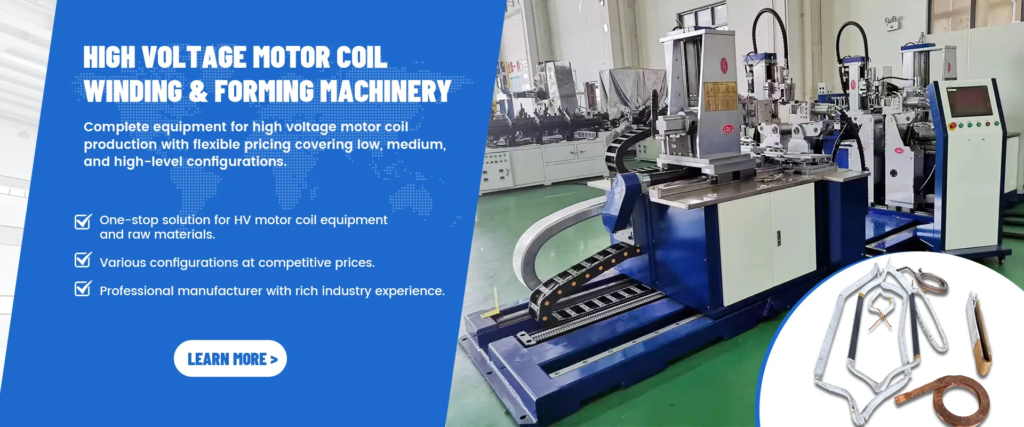
Transformer manufacturing requires a variety of specialized machines and components. Core cutting machines are used to shape silicon steel sheets with high precision. Coil winding machines carefully wrap copper or aluminum conductors to create transformer windings. Vacuum drying ovens remove moisture from insulation materials to improve durability and electrical performance.
Insulation systems are another essential part of transformer production. High-quality insulation materials prevent electrical leakage and improve operational safety. Cooling systems are also integrated into many transformers to maintain proper temperature levels during operation. Every component used in production lines contributes to the overall efficiency and reliability of the final product.
Safety and Environmental Standards
Workplace Safety measures
Industrial safety is a major concern in transformer manufacturing facilities. Production lines involve heavy machinery, high temperatures, and electrical testing equipment, which require strict safety procedures. Workers receive proper training and wear protective equipment to minimize workplace risks.
Modern factories also install automated emergency shutdown systems and fire protection equipment. These safety measures help prevent accidents and ensure smooth manufacturing operations. Safe working environments improve employee productivity and support long-term industrial growth.
Eco-Friendly Manufacturing
Environmental sustainability has become increasingly important in industrial manufacturing. Transformer production companies are adopting eco-friendly technologies to reduce pollution and energy consumption. Many factories now use recyclable materials and energy-efficient machinery to minimize environmental impact.
Oil management systems are also improving in transformer manufacturing plants. Manufacturers are using environmentally friendly insulating oils and better waste management practices to reduce contamination risks. Sustainable production methods help companies comply with environmental regulations while improving their public reputation.
Future of Transformer Production Lines
The future of transformer production lines is strongly connected to smart manufacturing and artificial intelligence. Industries are investing in advanced software systems that can analyze production performance and predict equipment maintenance needs. Predictive maintenance reduces machine downtime and improves factory productivity.
Artificial intelligence and machine learning technologies are also improving product quality control. Smart systems can automatically identify defects and optimize production processes with minimal human involvement. These technologies are expected to increase manufacturing efficiency and reduce production costs in the coming years.
The growing demand for renewable energy projects is another factor driving transformer production. Solar power plants, wind farms, and smart electrical grids require reliable transformers for energy distribution. As renewable energy infrastructure expands globally, transformer manufacturing companies will continue to modernize their production lines to meet rising market demand.
Conclusion
Transformer production lines are an essential part of the global electrical industry. Modern manufacturing systems combine automation, precision engineering, and quality control technologies to produce reliable transformers for various applications. Automated machinery improves production speed, reduces operational costs, and enhances product consistency.
As industries move toward smart manufacturing and sustainable production methods, transformer production lines will continue evolving with new technologies. Companies that invest in advanced automation, safety systems, and environmentally friendly practices will remain competitive in the rapidly growing electrical equipment market. The future of transformer manufacturing looks promising as global energy demands continue increasing across residential, commercial, and industrial sectors.