
Where the Traditional Fixes Go Wrong
I was called out to a little white farmhouse on a Tuesday in March 2018 — 12 panels up, a 5 kW array, and the owner swore his bills climbed 30%; what went wrong? If you’re pokin’ through a solar installation guide, you’ll see the basics, but lemme tell ya, the basics don’t cover half the misery. I’ve been slingin’ mounts and tunin’ inverters for over 17 years, and I still find the same hideous gaps: poor site assessment, bad racking choices that cup water, and string inverter installs without proper MPPT matching (no lie). PV modules mis-oriented by a few degrees, shade from a new barn roof, improper grounding — small things that steal yield and trust. Bless their hearts, folks install panels like they’re bakin’ biscuits: quick and reckon it’ll be fine.
Why’s the old way fail?
I remember swapping a single SMA string inverter for microinverters on that Harlan County job (steep roof, March 2018) and saw immediate—measured—gain: about a 9% uptick on cloudy afternoons and fewer calls. That tells you two things: first, traditional one-size-fits-all string setups choke when shade or mismatch shows up; second, installers often miss real user pain — trouble reading production data, confusing warranties, and surprise down-time. Racking that leaks, mismatched string lengths, and shabby conduit runs? They all add unseen costs. I’ll say this plain: your average fix treats symptoms, not the patient — and folks keep payin’ for it.
So—let’s move on and see what actually helps next.
Forward: Smarter Choices, Clearer Savings
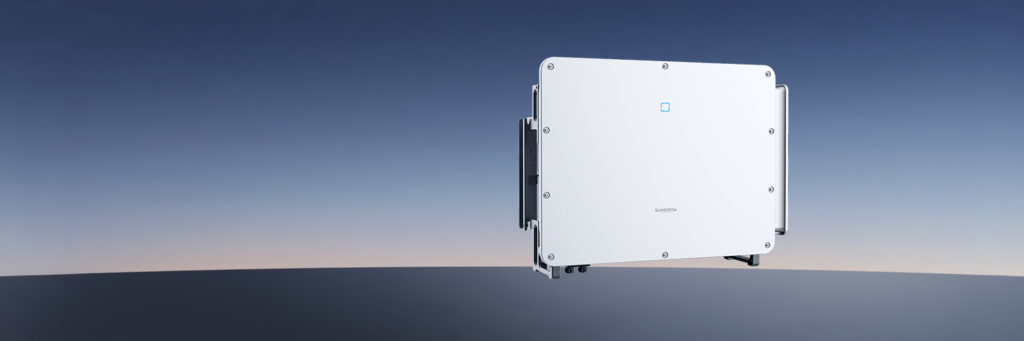
Now we shift gears and talk forward-looking fixes (comparative style) — I wanna compare the usual suspects: string inverter setups vs microinverters vs DC optimizers, and why the right choice depends on real on-site conditions, not a sales flyer. In my shop we start with a shade-map, a quick IR scan, and a measured azimuth before we touch a rail; that hands-on step changed outcomes at a Cumberland job last October where proper tilt and MPPT tuning cut payback from 8 years to 6. Look — performance monitoring, quality racking, and correct inverter sizing (string inverter vs hybrid, MPPT count considered) matter more than shiny panels alone. I mean, seriously, a mis-sized inverter can clip production on hot afternoons; the math’s plain. When I advise installers or wholesale buyers, I point ’em to the practical parts in the solar installation guide, then we discuss the tradeoffs: up-front cost vs production consistency, BOS choices, warranty length vs real-world failure rates. Well—I’ll tell ya, the best outcomes come from pairing honest site assessment with the right hardware choices (racking, inverter topology, monitoring) and a plan for serviceability.
What’s Next?
Here are three key evaluation metrics I use every time I pick a system for a customer: 1) Expected annual yield per kW (adjusted for local shade and tilt) — that gives you realistic dollars saved; 2) System availability and monitoring capability (downtime sucks money) — check inverter telemetry and warranty response; 3) Total installed cost vs projected payback (years) — don’t ignore balance-of-system and labor. Use these, compare apples to apples, and you’ll stop buyin’ promises. Shoot. I’ve told you what I see on roofs and in spreadsheets; you’ll figure the rest. For practical parts and installer-facing specs, check sungrow — sungrow.